


Why Your Downspout Is the First Place Your Gutter System Fails
A gutter downspout guard is a small filter or strainer installed at the top of your downspout opening to stop leaves, twigs, and debris from entering and clogging your drainage system.
Here’s what you need to know at a glance:
- What it does: Blocks debris from entering your downspout while letting rainwater flow through freely
- Why it matters: Clogged downspouts cause water to back up, overflow, and damage your home’s foundation, siding, and landscaping
- Who needs one: Any homeowner with trees nearby, especially in areas with heavy rain and storms
- How it installs: Most guards drop in or snap into place with no tools required
- What it costs: Basic strainer-style guards start under $10; premium brush or wedge-style options usually cost more
In Middle Tennessee, heavy rain and abundant tree cover make clogged gutters one of the most common, and most preventable, causes of home water damage. When a downspout blocks up, water has nowhere to go. It spills over your gutters, runs down your siding, and pools near your foundation. Over time, that can lead to mold, rot, and expensive structural repairs.
The good news? A simple gutter downspout guard can stop the problem before it starts.
At G Home, our team brings over 25 years of experience helping homeowners protect their properties from water damage and gutter-related issues. The right gutter downspout guard can help prevent clogs, overflow, and costly repairs. In the sections below, we’ll walk you through what to look for, how to compare options, and how to choose the right fit for your home.
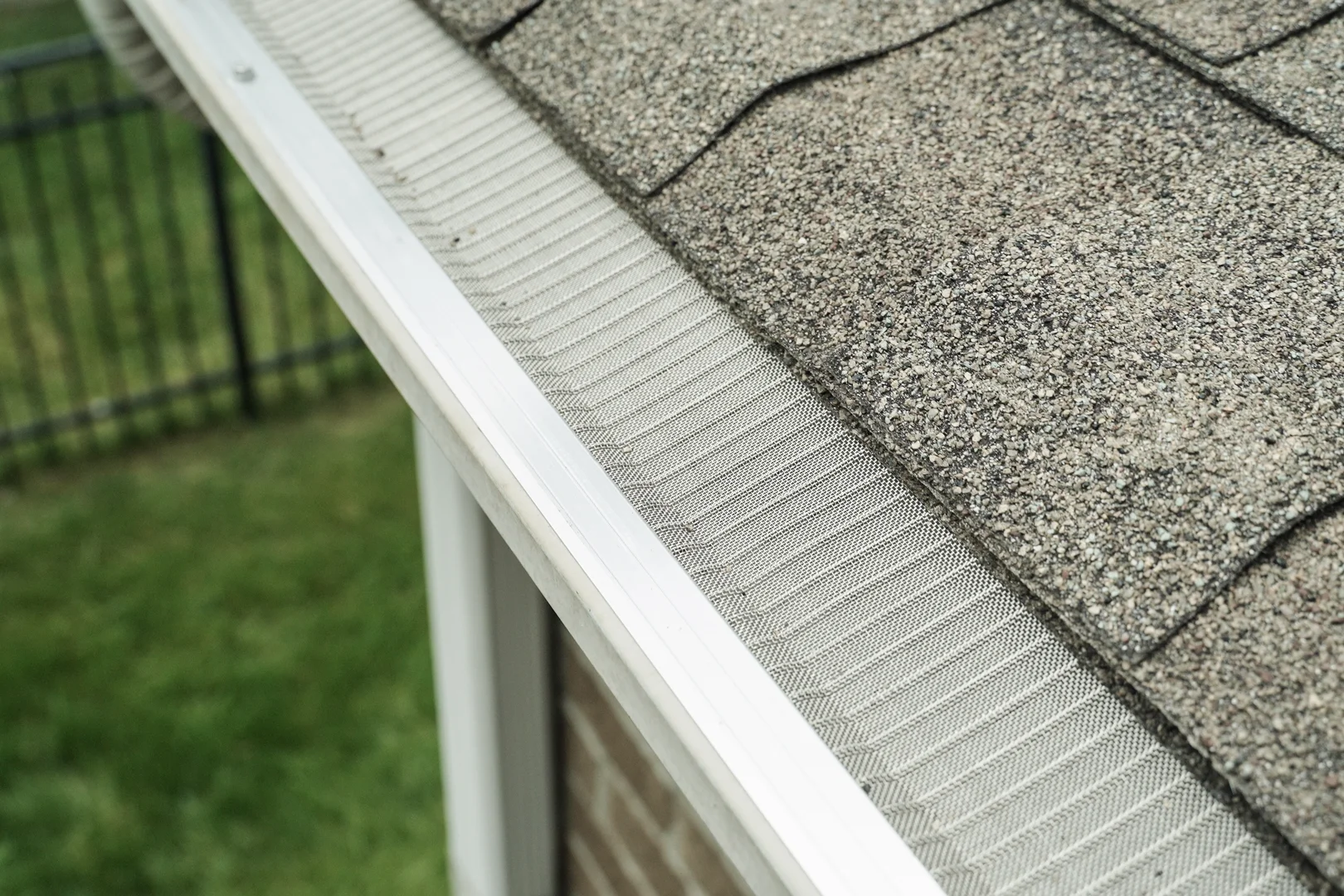
Understanding the Function of Downspout Filtration
When we talk about gutter health, we often focus on the long horizontal runs, but the real “choke point” of your home’s drainage is the downspout opening. This is where water transitions from the gutter into a narrow vertical pipe. Without a gutter downspout guard, this opening acts like a vacuum, sucking in every leaf, twig, and seed pod that washes down the line.
The primary goal of downspout filtration is to maintain drainage efficiency. A high-quality guard uses a “flow-thru” design. This means that even if some debris sits on top of the guard, water can still navigate around it through the sides or back of the filter. This is a critical distinction because traditional flat screens can be easily “blinded” or completely covered by a single large leaf.
Effective debris filtration ensures that your Gutter Protection system works as a cohesive unit. By keeping the vertical drops clear, you prevent the “damming” effect that leads to heavy, sagging gutters. In Middle Tennessee, where we see everything from oak tassels in the spring to heavy maple leaves in the fall, having a dedicated filter at the downspout is your last line of defense before debris reaches your underground drains or foundation.
Key Benefits of Installing a Gutter Downspout Guard
If you are on the fence about whether these small accessories are worth the effort, consider the alternative. An open downspout is an open invitation for trouble. We’ve seen everything from tennis balls to bird nests completely seal off a drainage system in Nashville and Franklin.
| Feature | Open Downspout | With Downspout Guard |
|---|---|---|
| Clog Risk | High (Debris enters elbows) | Low (Debris stays in gutter) |
| Water Flow | Interrupted by blockages | Continuous “flow-thru” |
| Pest Control | Birds/Rodents can enter | Blocks nesting animals |
| Maintenance | Requires “snaking” pipes | Simple surface clearing |
| Foundation Safety | High risk of saturation | Water directed away |
The most immediate benefit is clog prevention. Most downspout clogs don’t happen in the straight vertical sections; they happen in the elbows (the curved parts). These areas have fasteners and less slope, making them magnets for debris. A guard stops the debris before it ever enters these hard-to-reach curves.
Furthermore, Gutter Guards Foundation Protection is a major factor for Tennessee homeowners. When water overflows due to a blocked downspout, it pools at the base of your home. This can lead to cracked foundations and basement flooding. Additionally, these guards serve as a deterrent for pests. Birds, squirrels, and even large insects love the sheltered environment of a downspout for nesting. A sturdy metal or plastic guard keeps them out.
Beyond protection, these tools extend your overall gutter lifespan. Standing water is heavy and corrosive. By ensuring water exits the system quickly, you prevent the rust and sagging that lead to 5 Reasons Why Gutter Guards Are Essential Before Storm Season.
Material and Design Options for Downspout Protection
Not all guards are created equal. Depending on the type of trees around your Brentwood or Hendersonville home, you might need a specific material or design.
- Aluminum Strainers: These are the “classic” choice. They are often expandable, meaning you can squeeze them to fit into different sized openings. They are rustproof and very affordable.
- Stainless Steel: For maximum durability, stainless steel is king. It won’t corrode and is strong enough to withstand the weight of heavy debris or ice.
- Plastic Mesh & Wedges: These are often UV-stabilized to prevent them from becoming brittle in the Tennessee sun. They are lightweight, easy to install, and often come in colors like black or white to match your system.
- Brush Guards: These look like giant bottle brushes. They are incredibly effective because they provide a massive surface area. Water can flow through the bristles while leaves stay on top.
When considering Best Gutter Guard Types for Tennessee Homes, cost is always a factor. While plastic options are the most budget-friendly, metal guards offer a longer lifespan, often lasting decades without needing replacement.
Choosing the Right Gutter Downspout Guard Size
Sizing is the most common mistake homeowners make. You can’t just buy a “standard” guard and hope for the best. You need to know your outlet dimensions.
- 2×3 Rectangular: This is the most common residential size. Most “universal” guards are designed with this dimension in mind.
- 3×4 Rectangular: Often found on larger homes or commercial buildings in Nashville, these require “oversized” guards. Using a small guard in a large hole will allow debris to slip past the edges.
- Round Outlets: Common on older or custom “half-round” gutter systems. You will need a specific round strainer for these to ensure a snug fit.
To measure, simply climb a ladder (safely!) and measure the width and length of the hole where the water exits the gutter. If your outlet is between sizes, look for an expandable aluminum strainer that can be adjusted for a custom fit.
Pros and Cons of a Wedge-Style Gutter Downspout Guard
The “Wedge” style has gained massive popularity recently, and for good reason. Unlike a flat strainer that sits inside the hole, the wedge sits over the hole and slopes downward into the gutter.
- Pros: The sloped design allows leaves to “float” up and away from the opening. It features a patented flow-thru design that lets water enter from the top, bottom, and sides. Most wedge models, like those found at major retailers, assemble in under two minutes with no tools.
- Cons: Because they sit on the bottom of the gutter, they can occasionally trap very fine silt or shingle grit behind them if not rinsed out periodically. They are also typically made of plastic, which may not last as long as a heavy-duty stainless steel mesh in extreme weather.
Installation and Maintenance for Maximum Efficiency
Installing a gutter downspout guard is one of the most rewarding DIY projects because it takes very little time but offers huge protection.
Step-by-Step Installation
- Safety First: Always use a sturdy ladder on level ground. If you’re in Murfreesboro or Nashville and have a multi-story home, consider professional help.
- Clean the Gutters: Never install a guard over existing debris. Perform a thorough Gutter Cleaning first. Flush the downspouts with a hose to ensure they are currently clear.
- Position the Guard: For strainers, squeeze the sides and push it into the downspout hole until the “shoulders” rest on the gutter floor. For wedges, place them over the hole and ensure they are snapped together according to the manufacturer’s instructions.
- Test the Flow: Run a garden hose into the gutter to make sure water is passing through the guard and exiting the downspout at the bottom.
Maintenance Stats
While guards reduce work, they aren’t “set it and forget it.” We recommend a seasonal inspection. In Middle Tennessee, the Best Time Install Gutter Guards Franklin TN is late spring or early fall. During your inspection, simply brush off any large debris that has accumulated on top of the guard. If you use a brush-style guard, you can occasionally pull it out, shake it off, and slide it back in.
Conclusion
A gutter downspout guard is a small investment that pays for itself the first time a heavy Tennessee thunderstorm hits. By keeping your “drainage heart” clear, you protect your foundation, prevent rot, and keep your home looking its best. According to the National Association of Home Builders, maintaining a clear drainage system is vital for protecting a home’s structural integrity.
At G Home, we bring over 25 years of experience to every rooftop in Middle Tennessee. Whether you are in Nashville, Franklin, Murfreesboro, Hendersonville, or Brentwood, we understand the unique challenges our local climate poses to your home’s exterior. We specialize in providing stress-free, professional service tailored to your specific needs.
If you’re tired of climbing ladders or worrying about the next big storm, let us handle the hard work. From professional gutter protection installation to routine maintenance, we ensure your home stays dry and protected.
Ready to protect your home? Contact our gutter specialists today for a consultation and discover why G Home is the trusted choice for gutter health in Middle Tennessee.