


Why Driveway Sealing Is Worth Every Penny
Driveway sealing is one of the easiest ways to protect your home’s pavement from cracking, fading, and expensive wear, but only when it is applied correctly. It costs far less than a full replacement, and the quality of the work often determines whether that protection lasts a short time or delivers reliable long-term results.
| Question | Quick Answer |
|---|---|
| What is it? | Applying a protective coating over asphalt or concrete to help guard against UV rays, water, and chemical damage |
| How often? | Every 2-3 years for most driveways |
| Best time of year? | Late spring through early summer, when temperatures stay above 60°F |
| DIY or professional? | Professional service is usually the better choice for consistent coverage, durability, and warranty protection |
| Cost outlook? | Professional sealing costs vary by driveway size, surface condition, and material quality, but it is typically far more affordable than major repairs or full replacement |
Your driveway takes a beating every single day. Sun, rain, oil drips, road salt, and freeze-thaw cycles all work together to break down the surface. In Middle Tennessee, where humidity and variable temperatures accelerate wear, timing and technique matter more than most homeowners realize.
At G Home, professional experience in exterior home services has helped protect thousands of driveways from the exact kind of wear that driveway sealing is meant to prevent. In this guide, you’ll learn why expert application is the gold standard for preserving your driveway and protecting your home’s value.
Understanding Driveway Sealing and Its Benefits
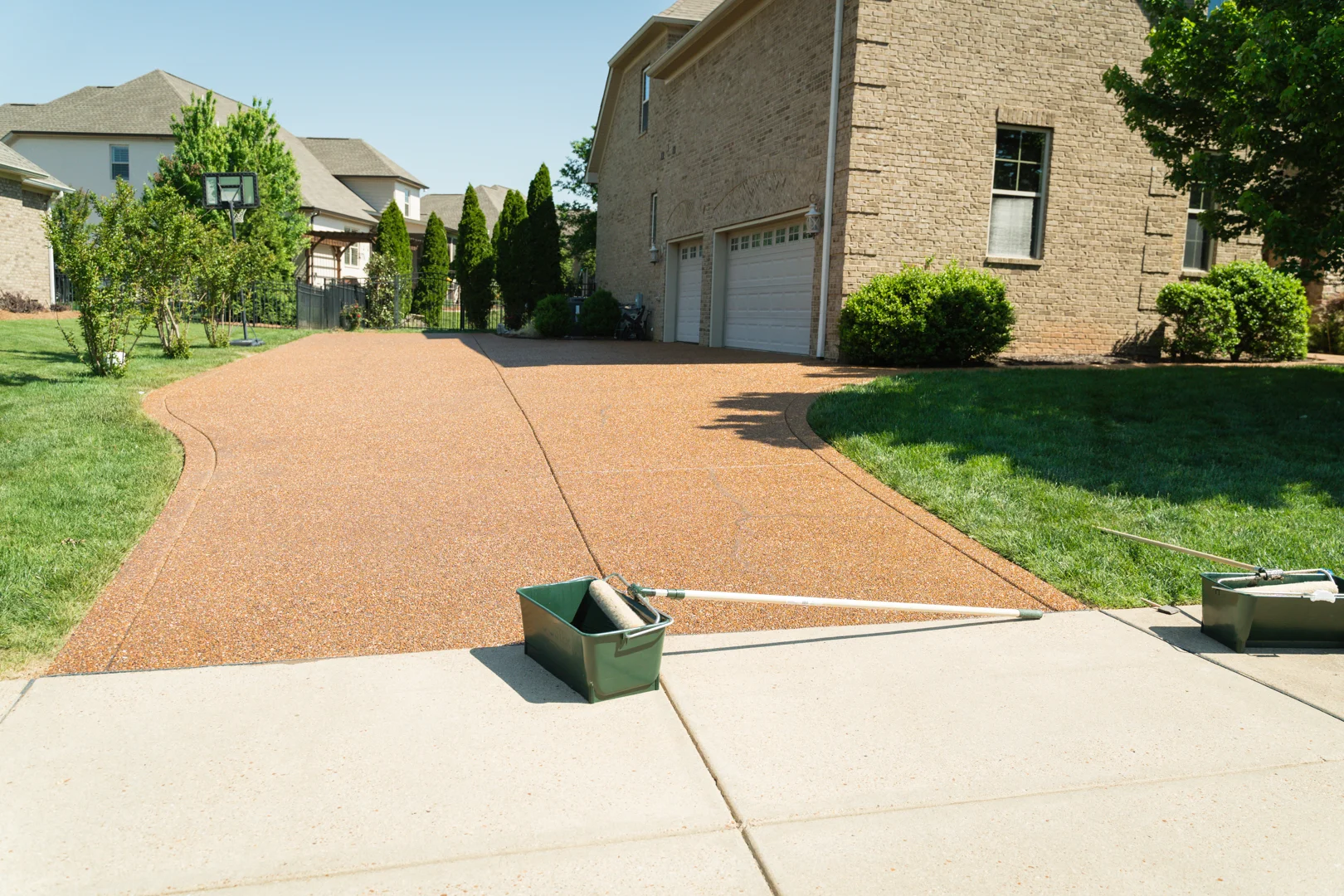
At its core, driveway sealing means applying a protective liquid coating, usually an asphalt emulsion or an acrylic or silicate-based sealer, to the pavement surface. Think of it like sunscreen for your driveway. Without that protection, harsh UV rays speed up oxidation and can turn a deep black surface into one that looks gray, dry, and brittle.
But it is not just about the sun. In Nashville and Franklin, high humidity and repeated freeze-thaw cycles can be tough on pavement. When water gets into the pores of an unsealed driveway and then freezes, it expands, which can lead to cracks and surface movement. driveway sealing for long-term protection matters because it helps form a water-resistant barrier that keeps moisture out.
Furthermore, sealing protects against chemical spills. Oil and gasoline leaks are more than just unsightly; they actually dissolve the binders in asphalt, leading to soft spots and potholes. Understanding that sealing a driveway the right way involves understanding that while asphalt is flexible, concrete is porous. Both require specific sealants to prevent moisture from destroying them from the inside out.
The Professional Standard: Why Precision Matters in Driveway Sealing
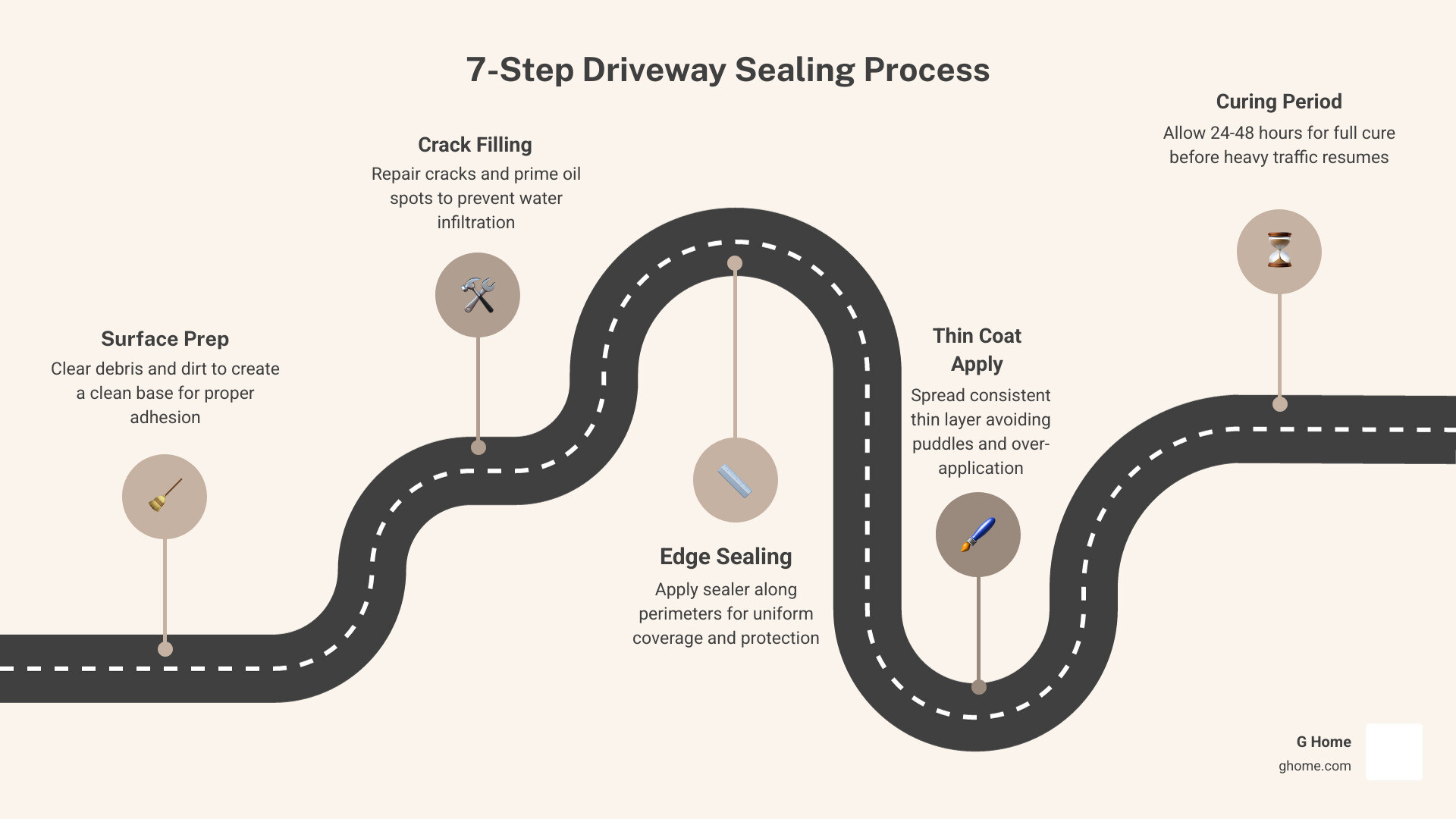
While some homeowners attempt a DIY approach, the difference between a weekend project and a professional application lies in the precision of the process. Here is how the pros at G Home approach a project to ensure maximum longevity:
- Professional Climate Analysis: We don’t just check the forecast; we monitor ground temperature and humidity levels. You need a minimum of 60°F for at least 24 hours to ensure a proper chemical bond.
- Industrial-Grade Surface Preparation: Applying driveway sealer starts with cleaning, but we take it further. We use industrial blowers and high-pressure washers to remove deep-seated debris that standard garden hoses miss.
- Specialized Priming: Oil and gasoline leaks dissolve asphalt binders. We use professional-grade degreasers and specialized primers to ensure the sealant adheres to these “soft spots.”
- Structural Crack and Pothole Repair: Sealing over a crack is a temporary cosmetic fix. We use hot-pour or high-density fillers for cracks larger than 1/4 inch to address the structural issue before the seal coat is applied.
- Precision Edging: We use professional shields and tape to protect your garage door, pavers, and landscaping, ensuring a clean, sharp finish without overspray.
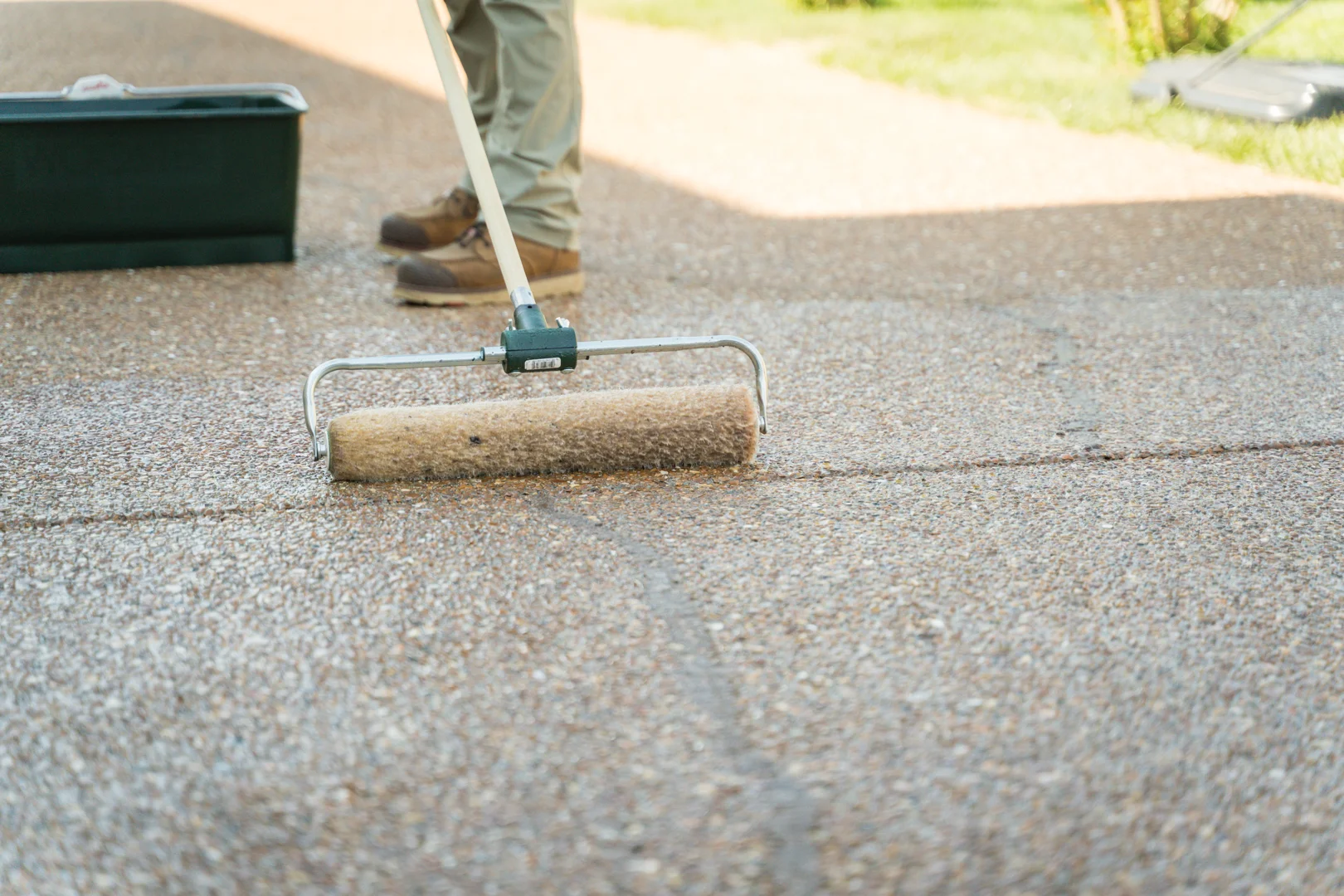
- High-Pressure Application: Using professional spray systems or mechanical squeegees, we apply the sealer in thin, even coats. Two thin coats are better than one thick one, and our equipment ensures that uniformity across the entire surface.
- Controlled Curing: We provide clear guidance on curing times, ensuring the driveway remains untouched by vehicle traffic for the necessary 24–48 hours to prevent tracking.
Why Professional Service Outperforms DIY Attempts
Many homeowners in Murfreesboro and Brentwood consider a DIY approach to save money, but the long-term value of professional service is unmatched. There is a massive gap between the “buckets” available at big-box stores and the commercial-grade emulsions used by licensed contractors.
Our residential services use professional-grade, coal-tar-free asphalt sealers that most homeowners cannot buy at retail stores. These products are designed for stronger surface protection and more consistent performance over time. When you choose driveway, deck & fence sealing, you also benefit from commercial equipment and trained application methods that create a more even coat, better adhesion, and longer-lasting results than most DIY options.
DIY vs. Professional Grade Comparison
| Feature | DIY Retail Products | Professional G Home Service |
|---|---|---|
| Material Quality | Often diluted; lower solids content | High-solids, polymer-modified emulsions |
| Application Tool | Hand squeegee or broom (uneven) | Industrial spray or mechanical squeegee |
| Safety & Compliance | Variable handling of chemicals | Strict safety standards and runoff prevention |
| Durability | Typically lasts 1–2 years | Lasts 3–5 years with proper care |
| Warranty | None (product only) | Full workmanship and adhesion warranty |
Professional crews also bring safety standards that DIYers often overlook. Sealants can be slippery when wet and require specific handling to avoid environmental runoff. Our team ensures the job is done efficiently, usually finishing in a single morning, saving you the frustration of a weekend-long project that may result in a “patchy” finish.
Common Maintenance Risks and Homeowner Mistakes
One of the biggest risks of DIY driveway sealing is “over-sealing.” Applying a new coat every year might seem like a good idea, but it actually causes the sealer to build up into a thick, brittle layer that eventually peels off like a scab. You should generally wait at least 2–3 years between applications.
Another common mistake is bad timing. If sealer goes down and rain arrives just a few hours later, it can wash into the street and storm drains instead of curing properly. Just as everything you need to know about local deck sealing points out, prep work does most of the heavy lifting. Seal over dirt, dust, or oil, and the coating may start peeling or flaking within months.
Finally, consider your home’s ecosystem. Curb appeal: How gutters and sealing work together is a connection many homeowners overlook. If clogged gutters dump water onto a newly sealed driveway, the repeated impact can wear down the sealant faster.
Frequently Asked Questions about Driveway Sealing
How often should you perform driveway sealing?
In Middle Tennessee, sealing your driveway every 2 to 3 years is a smart maintenance schedule. If it gets heavier use, such as multiple SUVs or frequent delivery trucks, sealing closer to every 2 years is usually the better choice.
What is the best time of year for driveway sealing?
Temperature is the most critical factor. In Nashville and Hendersonville, the “Goldilocks” window is typically late spring (May) through early autumn (September). The ambient temperature needs to be at least 60°F and rising. Humidity also plays a role; high humidity in the Tennessee summer can extend drying times, so we always monitor the dew point before starting a project.
How much does professional driveway sealing cost?
Professional driveway sealing costs vary based on the size of the driveway, the condition of the surface, how much crack repair is needed, and the level of cleaning or prep work required. Material quality and local labor rates also affect the final price. While sealing does require an upfront investment, it is usually far more affordable than major repairs or full driveway replacement later on.
Conclusion
Your driveway is one of the first things people notice about your home. Beyond curb appeal, it is a significant financial asset that requires expert maintenance to survive the Tennessee elements. While DIY is an option for some, the superior materials, precision equipment, and guaranteed results of a professional service provide the best long-term ROI and peace of mind.
At G Home, we take the stress out of home maintenance. From Hendersonville to Franklin, our 25+ years of experience ensure your driveway gets the protection it needs to last for decades. Don’t risk the structural integrity of your pavement with inferior products. Protect your home with professional driveway, deck, and fence sealing by contacting us for a free professional estimate and consultation today.